I recently returned from Slovakia. The country is still a democracy, with elections, opposition parties, and institutions. Slovakia is roughly the same size as Norway – a small European country – and an example of something that is difficult to grasp: the slow erosion of democracy.
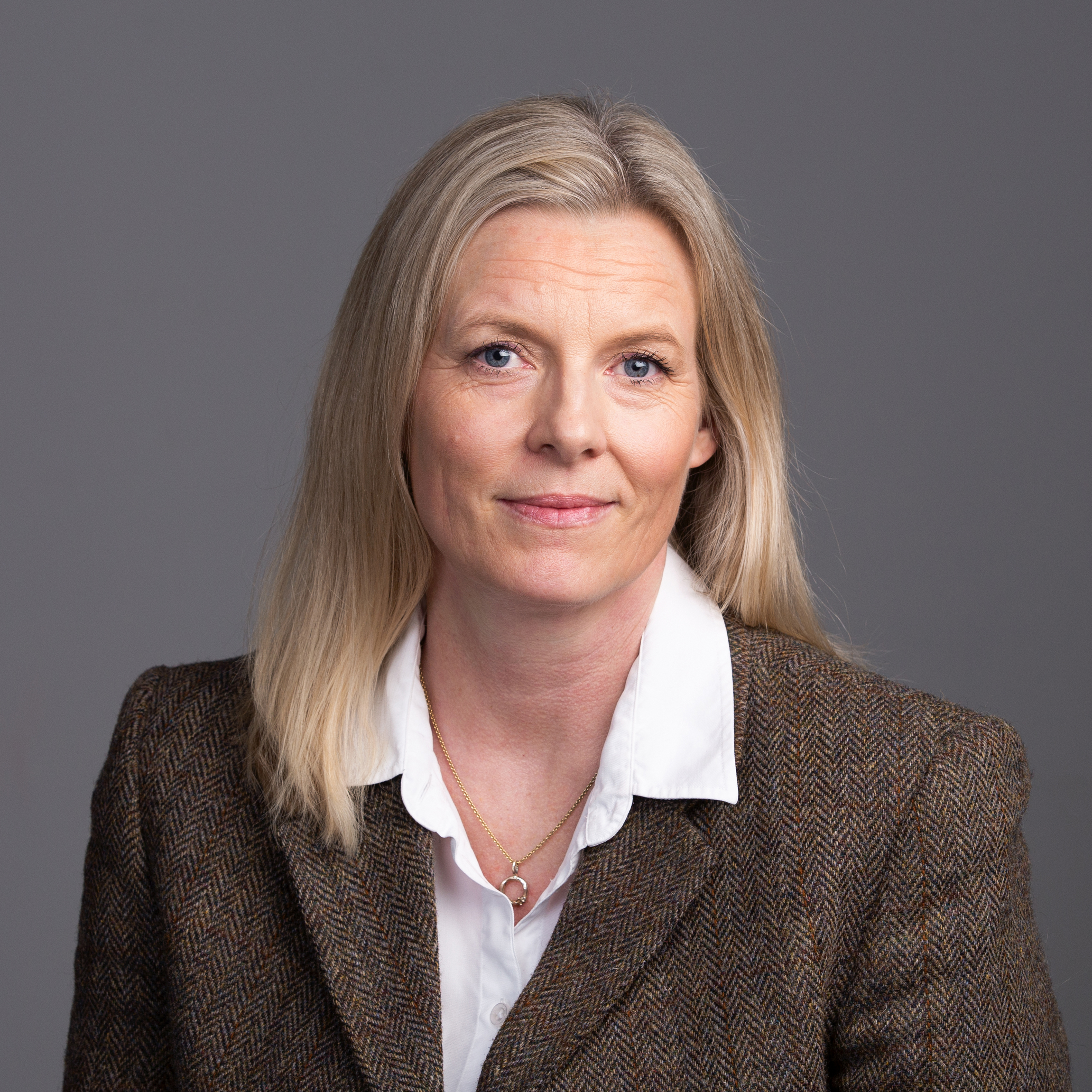
By Ingunn Trosholmen, CEO at WEXFO (photo: Kirsti Hovde)
In this year’s V-Dem report, Slovakia is highlighted as part of a broader European trend in which institutions formally remain in place while trust is weakening. Democratic backsliding does not necessarily occur through dramatic ruptures, but through gradual shifts in language, suspicion, and a harsher tone of public discourse. In this way, the public sphere is transformed from a space for participation into an arena for attack.
In a conversation with a local deputy mayor, this became tangible. He described how it is possible to buy support and visibility through fake accounts on social media. How debates are manipulated, sentiments artificially manufactured, and comment sections filled with aggression, contempt, and suspicion.
This has practical consequences. It becomes more difficult to recruit people for local political office. The cost of participation simply becomes too high. I recognize this from Gudbrandsdalen, Norway, where I am a local politician myself.
World Expression Forum was invited to Slovakia because of our work with young voices and democratic resilience. But it was not primarily the forum leader in me who lay awake that night. It was the local politician.
We tend to understand democracy through its visible structures: elections, laws, parties, institutions, and the separation of powers. All of these are essential. But democracy also rests on something less visible: a social infrastructure of trust, norms, language, and mutual recognition.
This is what I call the fabric of society.
The fabric of society is what allows us to see each other as fellow citizens, even when we deeply disagree. It helps us distinguish between opponent and enemy, between criticism and delegitimization, between conflict and contempt. It makes democracy a way of life, not merely a system.
A research brief from the American Sunlight Project, developed in collaboration with Bellona, documents how Russian influence networks have operated in energy and environmental debates in Norway. The goal is not necessarily to make Norwegians adopt a particular view on energy, climate, or technology, but to amplify existing conflicts, increase distrust between groups, and weaken democratic discourse.
It is enough to make us doubt one another.
When basic trust erodes, the public sphere is no longer an arena for disagreement, but a battleground of identity, emotion, and suspicion. Democracy is weakened from within, as citizens lose faith in the possibility of sharing a political community.
A recent study published in Popular Communication (Stoencheva et al.) analyzes debates around the 2024 European Parliament elections in Sweden, Austria, and Bulgaria. The study shows how extreme expressions are normalized in everyday digital communication.
The study uses the concept of everyday extremism: racist, dehumanizing, and violence-glorifying messages packaged as humor and shared through memes by ordinary people like you and me.
That is precisely why they are so difficult to address.
When contempt is presented as humor, it becomes harder to reject. When stigmatization is shared as entertainment, the boundaries of what we perceive as acceptable shift. Over time, this can lead us to no longer encounter each other as individuals, but as representatives of groups we have already judged.
Local democracy is often highlighted as something we must protect in the face of autocratization and democratic decline. But what, in practice, is it that we are protecting?
It is not only municipal councils, party branches, and electoral systems. It is also the willingness to participate. The ability to trust that disagreement can be sustained.
When people withdraw from public debate because they cannot bear the aggression, the suspicion, or the online shaming, something in democracy has already changed. Not because rights have formally been removed, but because the space in which those rights are exercised has become narrower.
This is why it also affects freedom of expression.
Freedom of expression is not only about the absence of censorship. It is also about the real conditions for participation. A society may have strong formal rights and still develop a culture in which more and more people choose silence – not because they have nothing to say, but because the cost of speaking feels too high.
Artificial intelligence makes this challenge more acute. Vast amounts of content can be produced, targeted, and tailored to different groups within seconds. Not only false information, but emotionally precise messages designed to trigger fear, anger, and existing lines of conflict.
In Norway, we are good at talking about preparedness when the threat can be measured in material resources, soldiers, or technology. But from a modern security perspective, societal resilience is not only about weapons, infrastructure, and intelligence.
Resilience is also about trust.
Are we taking this seriously enough? Do we have sufficient knowledge about the drivers of polarization and digital manipulation? Do we understand that this is not only a cultural, media, or freedom of expression issue, but also a security issue?
Norway remains a high-trust society with strong institutions and a vibrant public sphere. Precisely for that reason, we should act before developments become dramatic.
Because democracies rarely collapse overnight. They weaken when language changes. When trust thins. When more people withdraw. When those who could take responsibility refrain from doing so because the cost of participation has become too high.
This is what we must understand in time.
Protecting democracy is not only about defending our institutions. It is also about safeguarding the fabric of society: the invisible threads of trust, respect, language, and participation that make it possible to disagree without ceasing to see one another as fellow citizens.
Because when that fabric unravels, it matters little that formal rights are still in place.
By then, democracy has already become poorer.
This article was first published in Norwegian in Dagsavisen on May 11, 2026. It was translated into English by the WEXFO administration with assistance from Microsoft Copilot.